


Blog
Steak Doneness Temperature Chart: Every Cut, Every Temp
Steak Doneness Temperature Chart: Every Cut, Every Temp
The single most common reason a good steak disappoints is temperature. Not the cut, not the grade, not the seasoning — the temperature. Here is the chart we give customers at the counter, plus the part most charts leave out.
Steak doneness temperatures
Pull the steak off the heat 5°F below your target. It keeps cooking while it rests. These are final temperatures after resting:
| Doneness | Pull at | Final temp | What it looks like |
|---|---|---|---|
| Rare | 120°F | 125°F | Cool red center, soft |
| Medium rare | 130°F | 135°F | Warm red center, springy |
| Medium | 140°F | 145°F | Warm pink center, firm |
| Medium well | 145°F | 150°F | Slight pink, firm |
| Well done | 155°F | 160°F | No pink, very firm |
The USDA recommends a minimum internal temperature of 145°F with a three-minute rest for whole cuts of beef. Most steakhouses serve medium rare at 135°F. Both facts are true; cook to the doneness you want and know where you sit.
Ground beef is different
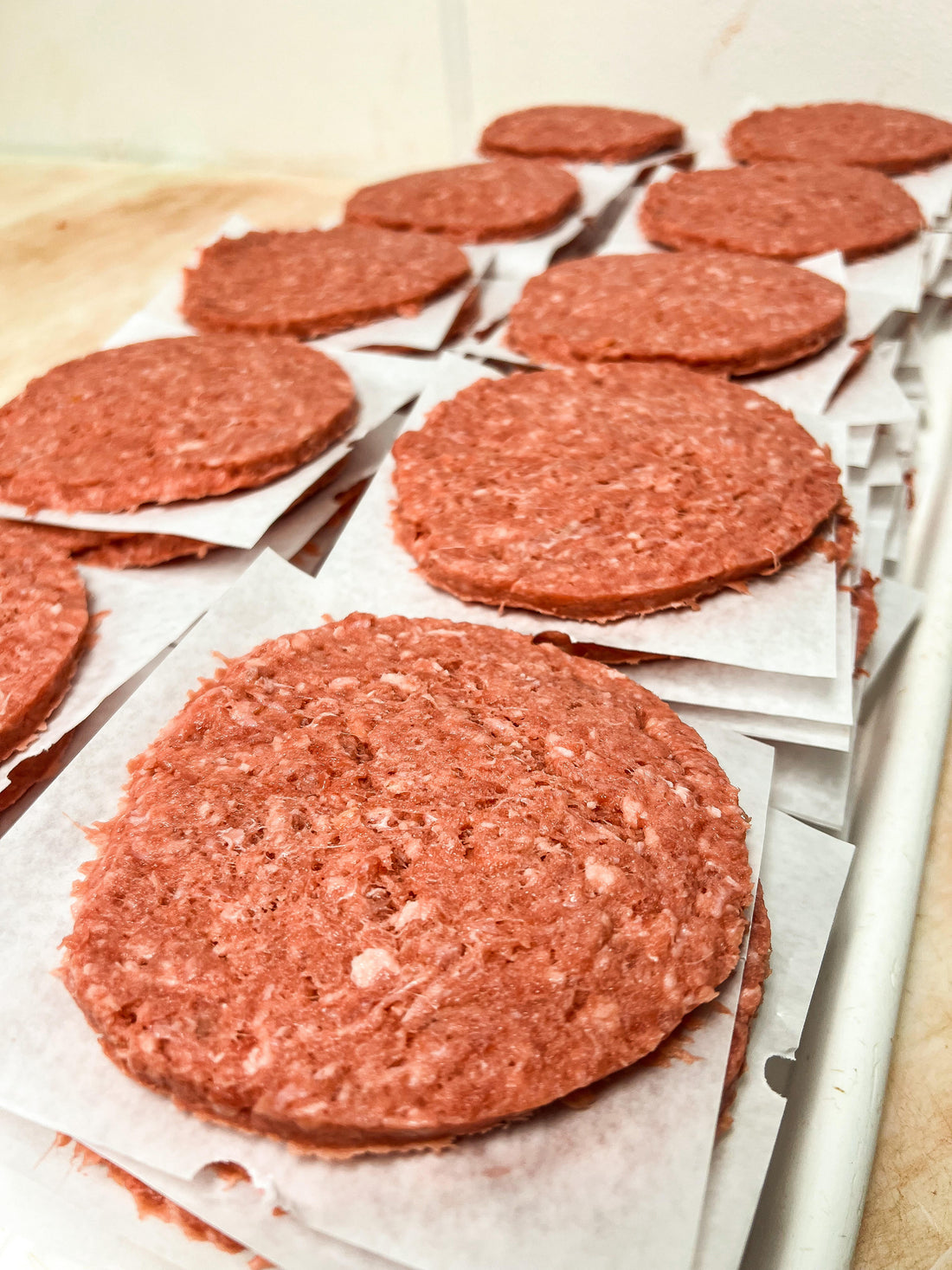
Whole-muscle steak only carries bacteria on the surface, which the sear kills. Grinding mixes the surface through the whole batch. Cook ground beef and burgers to 160°F. No exceptions, regardless of how you like your steak.
Where to put the thermometer
Into the side of the steak, not the top. Aim for the geometric center of the thickest part, and stay off the bone — bone conducts heat differently and will read high. On a thin steak, insert at an angle so the probe tip sits in the middle rather than punching through.
An instant-read digital thermometer is the cheapest upgrade to your cooking there is. Touch tests and timing charts are guesses; a thermometer is not.
How long to rest a steak
Rest for roughly half the cooking time, with a floor of five minutes and a ceiling of about ten for a normal steak. A thick tomahawk or a whole roast wants longer — closer to 15 or 20 minutes.
Resting lets the muscle fibers relax and reabsorb juice that heat has driven toward the center. Cut into a steak straight off the heat and that juice runs onto the board instead of staying in the meat. Tent loosely with foil if your kitchen is cold; wrapping tightly steams the crust you just built.
Thickness changes everything
A one-inch steak and a two-inch steak are different cooking problems. Under about 1.25 inches, cook hot and fast — you want the center to hit temperature right as the crust forms. Above that, use two zones: sear over high heat, then move to the cooler side and finish with the lid down, or reverse it and bring the steak up slowly before searing at the end.
The reverse sear is the more forgiving method for anything thick. Start it in a 250°F oven or on the cool side of the grill until the center reads about 15°F below target, then sear hard for 60 to 90 seconds a side.
Common questions
Is medium rare steak safe?
For whole cuts of beef, yes. Bacteria live on the surface, and searing brings the exterior well past the temperature that kills them. This does not apply to ground beef, mechanically tenderized meat, or poultry.
Why is my steak grey instead of browned?
Surface moisture. Pat the steak dry with paper towels before it hits the pan, and make sure the pan is genuinely hot. A wet steak steams before it sears.
Should I salt ahead of time?
Either salt right before cooking, or salt at least 40 minutes ahead — ideally overnight, uncovered, in the fridge. The window in between is the worst option: the salt has pulled moisture to the surface but has not yet been reabsorbed.
Does the cut change the target temperature?
The temperatures are the same, but leaner cuts are less forgiving. A filet or a sirloin has little intramuscular fat to keep it moist, so overshooting by 10°F is much more noticeable than it is on a well-marbled ribeye.
Come see us
We have been cutting meat in Austin for decades, and we are happy to talk through a cook before you buy. Longhorn Meat Market is at 11600 Menchaca Rd, Suite H, Austin, TX 78748 — call us at (512) 280-6514, or shop beef and steaks online for local delivery across greater Austin.